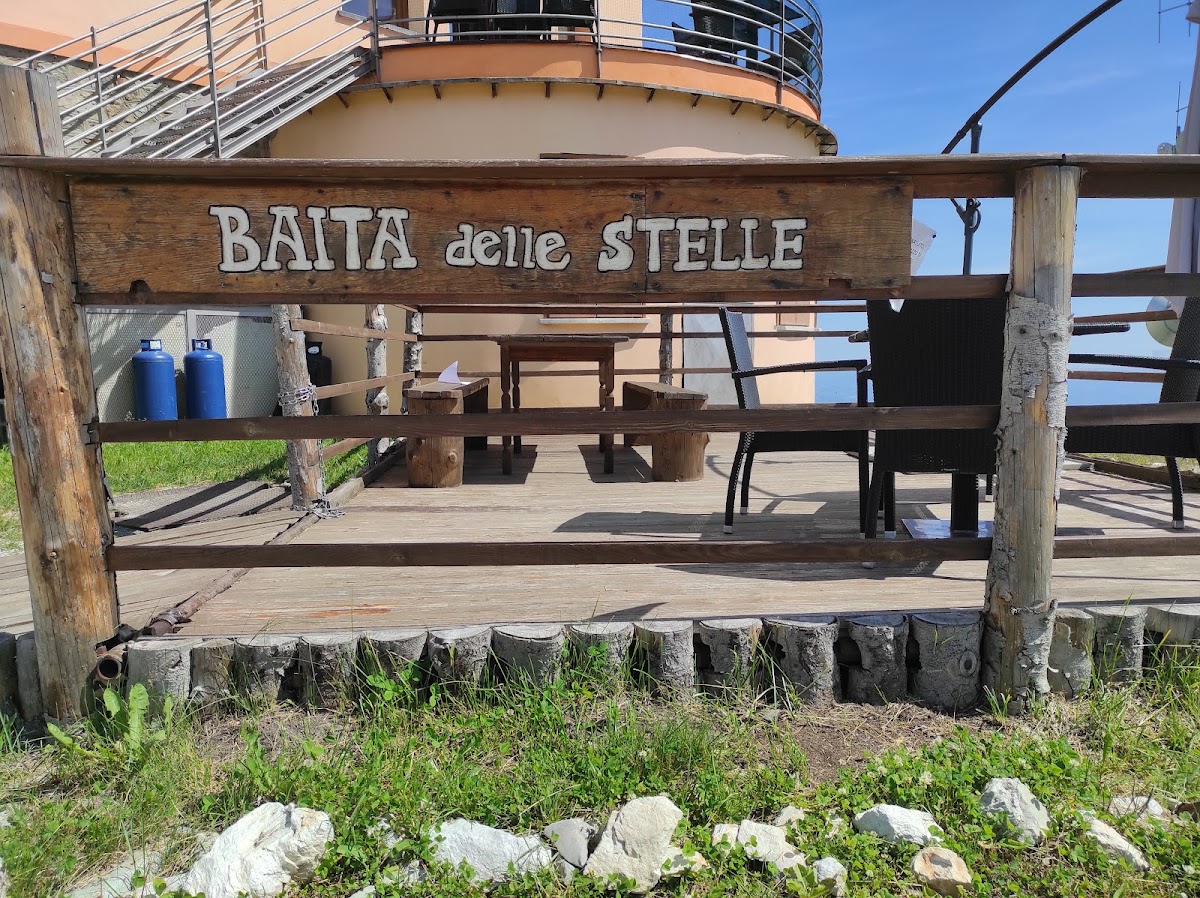
La baita delle stelle nel periodo invernale la si può raggiunge con la seggiovia monoposto in circa venti minuti. Da vestirsi bene perché potrebbe fare freddino sulla seggiovia perché è aperta. La vista è mozzafiato. Il personale se pur il locale era abbastanza affollato è stato abbastanza veloce nel servirci e sempre super gentile. Cibo locale, ottimo il tagliere di affettati e formaggi.
Overview
Tucked away along Via Monte Moro, 1, 12083 Frabosa Sottana CN, Italy, Baita Delle Stelle feels like the kind of mountain hideaway you hope to stumble upon after a long hike in the Alps. The first time I visited, it was late afternoon, the air crisp and thin, and the slopes of Prato Nevoso glowing under the sun. What struck me immediately wasn’t just the view, but the warmth inside-wooden beams, rustic décor, and the comforting aroma of slow-cooked polenta and grilled meats drifting from the kitchen.
The menu leans confidently into Piedmontese tradition. You’ll find hearty mountain dishes built around local ingredients: fontina cheese, wild mushrooms, truffles when in season, and carefully sourced meats. During one winter visit, I ordered their braised beef with polenta, a regional classic. The meat had clearly been cooked low and slow, likely for several hours, a technique chefs often recommend to break down connective tissue and enhance flavor. According to culinary research from the Italian Academy of Cuisine, slow braising not only improves tenderness but also intensifies the natural umami profile of beef. You could taste that depth in every bite.
What makes the experience even richer is the thoughtful wine list. Piedmont is world-famous for Barolo and Barbaresco, and the staff here are surprisingly knowledgeable about pairings. When I hesitated between two reds, the server explained the tannin structure and aging process in simple terms, helping me choose a Nebbiolo that balanced perfectly with the richness of my dish. That kind of guidance shows real expertise, not just upselling. It reminded me of how the Italian Sommelier Association emphasizes pairing wine with the intensity and texture of food rather than just matching regions.
Beyond the food, the location plays a starring role. Frabosa Sottana is known for its ski resorts and alpine trails, and this mountain restaurant is ideally positioned for both winter sports enthusiasts and summer hikers. After a morning on the slopes, the terrace becomes the best seat in town. I’ve seen families sharing steaming plates of pasta while snowboarders compared runs over espresso. In summer, cyclists stop by for a light lunch-often a tagliere of local cheeses and cured meats-before heading back out on winding mountain roads.
Hygiene and service standards are solid, which is always reassuring. Italy’s food safety regulations, overseen by the Ministry of Health, are among the strictest in Europe. While diners rarely see the behind-the-scenes processes, you can often sense when a kitchen runs efficiently. Here, dishes arrive promptly, plates are well-presented, and staff handle dietary requests with care. On one occasion, a friend with gluten intolerance was offered clear alternatives and detailed explanations about ingredient sourcing. That transparency builds trust.
Reviews from other diners echo similar sentiments. Many highlight the cozy atmosphere, generous portions, and authentic flavors. A recurring theme is the balance between rustic charm and professional service. It’s not a fine-dining establishment in the formal sense, yet there’s clear attention to technique and quality. That balance can be hard to achieve, especially in tourist-heavy mountain areas where some spots rely more on location than substance.
Of course, like any popular alpine diner, peak hours can mean a short wait, particularly during ski season. Reservations are a smart move on weekends. Prices reflect the quality of ingredients and the prime mountain setting, so it’s not the cheapest option in the area, but the value feels fair for what you get: generous plates, regional authenticity, and a memorable setting.
What keeps drawing me back is the consistency. Whether it’s a snowy January evening or a sunny July afternoon, the experience remains grounded in tradition and genuine hospitality. From the carefully curated menu to the panoramic views over the Piedmont mountains, this spot delivers more than just a meal-it offers a true taste of alpine Italy, shaped by local culture, culinary know-how, and a deep respect for the land.
Good to know
Service options
✓ Outdoor seating ✓ Dine-in ✓ DeliveryHighlights
✓ Fireplace ✓ Great coffee ✓ Great dessert ✓ Live music ✓ Rooftop seatingPopular for
✓ Lunch ✓ Dinner ✓ Solo diningAccessibility
✓ Wheelchair-accessible entranceOfferings
✓ Alcohol ✓ Beer ✓ Coffee ✓ Healthy options ✓ Quick bite ✓ Small plates ✓ Spirits ✓ WineDining options
✓ Breakfast ✓ Lunch ✓ Dinner ✓ Dessert ✓ Seating ✓ Table serviceAmenities
✓ Bar on site ✓ Gender-neutral toilets ✓ Toilet ✓ Wi-Fi ✓ Wi-FiAtmosphere
✓ Casual ✓ Cosy ✓ Quiet ✓ RomanticCrowd
✓ Family friendly ✓ Groups ✓ TouristsPlanning
✓ Lunch reservations recommended ✓ Dinner reservations recommended ✓ Accepts reservationsPayments
✓ Credit cards ✓ Debit cards ✓ NFC mobile payments ✓ Credit cardsChildren
✓ Good for kids ✓ High chairs ✓ Kids' menuParking
✓ Free of charge street parking ✓ Free parking lot ✓ ParkingPhotos
1 / 4
Location
Reviews
- No ratings yet 315 reviews
Cibo buono, servizio ottimo, ambiente tipico di montagna. Ci si arriva dopo un po’ di sterrato in macchina( consigliata macchina abbastanza alta) oppure con una camminata di mezz’ora. Fatta con passeggino, un po’ faticoso. Per chi ha bambini consigliabile lo zainetto. Mangiato polenta e cinghiale, smezzato un tagliere, dolce, pagato alla romana, sui 27€ a testa. Porzioni abbondanti. Consigliabile prenotare
Splendida location situata sulla cima del Monte Moro e facilmente raggiungibile dopo un breve tratto di strada sterrata che percorre ai lati una boscaglia. Un’oasi di pace, come l’ha definita qualcuno, a 1.700m di altezza con una vista mozzafiato su tutto l’arco alpino. Per il pranzo abbiamo optato per la polenta (risultata ottima) accompagnata da terrine con all’interno del sugo di cinghiale, crema al Raschera e ragù di salsiccia. La titolare è stata così gentile da servirci polenta fino a sazietà. Cordialità e simpatia da parte dell’intero staff. Ci ritornerò, sicuramente.
Dopo una passeggiata nel bosco in semi penombra di mezz'oretta si raggiunge questa Baita, se non ci sono nuvole basse c'è una bellissima vista a 360 gradi. Le proposte culinarie sono tipiche della zona e molto appetitose e i prezzi giusti. Noi abbiamo preso un tagliere misto e dei tajarin con cinghiale, il sevizio è super cordiale e attento anche se avevano il pienone. Siamo rimasti contenti, continuate così! Unica nota migliorabile, i prezzi andrebbero *esposti* perché anche nei menù cartacei non comparivano
Il posto è molto bello e curato e si raggiunge a piedi facilmente con una bella passeggiata e prima di essa vi è un bel pareggio. Si può raggiungere con una vecchia seggiovia volendo da Frabosa Soprana. Ma si devono conoscere gli orari. Tappa fissa quando sono a Prato Nevoso. Mi era piaciuto una volta il vitello tonnato. Gentilmente si viene serviti.
Non abbiamo avuto occasione di gustare la cucina ma i profumi erano ottimi. Personale cortese e giovane, locale molto carino e panoramico Panorama... Mozzafiato Merita anche la passeggiata da mezz'ora da Prato nevoso